
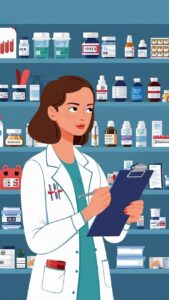
 Pakistan’s pharmacy sector is one of the most essential yet one of the most underregulated, outdated, and inconsistent parts of the healthcare system. While millions depend on pharmacies every single day for medicines, advice, and emergency care, the reality is that most pharmacies in Pakistan still operate on old, flawed systems that compromise consumer safety, medicine authenticity, and service quality.
This blog uncovers the major drawbacks of pharmacies in Pakistan, the structural issues behind them, and most importantly how new-generation models like Big Success Family and Medizin are paving the way for a safer, transparent, and modern pharmacy ecosystem.
Why Is Pakistan’s Pharmacy Sector Struggling?
From fake medicines to untrained staff, the challenges are big and they directly affect millions of lives. Below are the critical weaknesses that define Pakistan’s traditional pharmacy landscape.
1. Lack of Trained & Certified Staff
One of the biggest issues is the absence of qualified pharmacists in most local pharmacies. Many stores are run by untrained workers who:
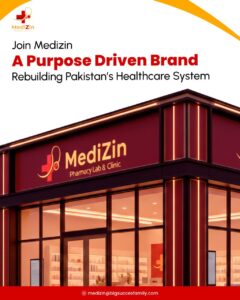 Amid this outdated system, Big Success Family and Medizin represent a bold, modern, and patient-focused vision for Pakistan’s healthcare future.
1. Professional, Trained & Certified Staff
They will prioritize licensed pharmacists and skilled teams trained in:
- Patient counselling
- Drug safety
- Dosage management
- Customer care
This ensures safe dispensing every time.
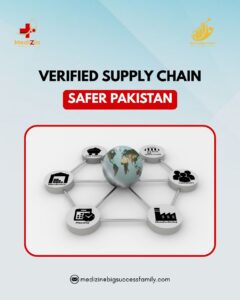
2. 100% Authentic & Traceable Medicines
Medizin aims to build a supply chain with:
- Direct sourcing from manufacturers
- Batch tracking
- Cold-chain monitoring
- Zero middlemen involvement
This eliminates counterfeit risks.
Amid this outdated system, Big Success Family and Medizin represent a bold, modern, and patient-focused vision for Pakistan’s healthcare future.
1. Professional, Trained & Certified Staff
They will prioritize licensed pharmacists and skilled teams trained in:
- Patient counselling
- Drug safety
- Dosage management
- Customer care
This ensures safe dispensing every time.
2. 100% Authentic & Traceable Medicines
Medizin aims to build a supply chain with:
- Direct sourcing from manufacturers
- Batch tracking
- Cold-chain monitoring
- Zero middlemen involvement
This eliminates counterfeit risks.
 Q1: Why are fake medicines common in Pakistan?
Weak regulation, multiple middle layers in the supply chain, and lack of direct sourcing make counterfeit medicines easier to enter the market.
Q2: Are local pharmacies safe?Not always. Safety depends on staffing, storage conditions, and sourcing all of which are inconsistent in traditional pharmacies.
Q3: What will make future pharmacies better?Digital systems, trained staff, strict SOPs, authentic sourcing, and transparent pricing.
Q4: How will Medizin fix these issues?By building a transparent, ethical, tech-driven network focused on quality, authenticity, and professional healthcare services.
Q1: Why are fake medicines common in Pakistan?
Weak regulation, multiple middle layers in the supply chain, and lack of direct sourcing make counterfeit medicines easier to enter the market.
Q2: Are local pharmacies safe?
Not always. Safety depends on staffing, storage conditions, and sourcing all of which are inconsistent in traditional pharmacies.
Q3: What will make future pharmacies better?
Digital systems, trained staff, strict SOPs, authentic sourcing, and transparent pricing.
Q4: How will Medizin fix these issues?
By building a transparent, ethical, tech-driven network focused on quality, authenticity, and professional healthcare services.