

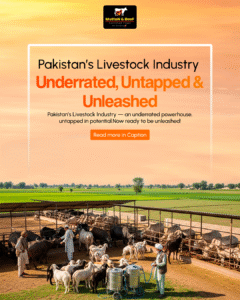
 Pakistan has one of the largest livestock populations in the world, yet it continues to face hurdles that stop it from becoming a global leader in meat production especially mutton and beef, which Pakistanis consume heavily. Despite contributing over 60% to the agricultural GDP, the livestock sector is still underdeveloped, underfunded, and undervalued.
In this blog, we explore why Pakistan’s livestock potential remains unfulfilled, the structural issues behind it, and how modern players like Mutton & Beef by BSF can help reshape the industry’s future.
The Backbone of Rural Pakistan, But Still Struggling
Livestock is not just an industry in Pakistan; it’s a livelihood. Millions of small farmers depend on cattle, goats, sheep, and buffalo for income. Yet their production remains low in efficiency, low in output, and low in profitability. Why?
Because the system is built on old methods, poor regulation, and lack of support.
Small-Scale Farming Dominates the Industry
Over 90% of Pakistan’s livestock is raised on small family farms. These farmers usually keep:
- 2–5 cows or buffaloes
- A few goats or sheep
- Limited grazing land
No access to modern feed, medicine, or vet services
This leads to:
- Low meat yield
- Poor animal health
- Unpredictable supply
- Weak disease control
When the foundation is weak, the entire sector suffers.
Poor Breed Quality & Zero Genetic Improvement
Pakistan rarely invests in breeding programs that improve meat productivity. While countries like Australia, Brazil, and the US rely on scientific breeding:
Pakistan still depends on:
- Random mating
- Weak genetics
- Poor-quality breeding bulls
- No national breed development program
Result?
Animals grow slower, produce less meat, and have lower immunity.
Pakistan has one of the largest livestock populations in the world, yet it continues to face hurdles that stop it from becoming a global leader in meat production especially mutton and beef, which Pakistanis consume heavily. Despite contributing over 60% to the agricultural GDP, the livestock sector is still underdeveloped, underfunded, and undervalued.
In this blog, we explore why Pakistan’s livestock potential remains unfulfilled, the structural issues behind it, and how modern players like Mutton & Beef by BSF can help reshape the industry’s future.
The Backbone of Rural Pakistan, But Still Struggling
Livestock is not just an industry in Pakistan; it’s a livelihood. Millions of small farmers depend on cattle, goats, sheep, and buffalo for income. Yet their production remains low in efficiency, low in output, and low in profitability. Why?
Because the system is built on old methods, poor regulation, and lack of support.
Small-Scale Farming Dominates the Industry
Over 90% of Pakistan’s livestock is raised on small family farms. These farmers usually keep:
- 2–5 cows or buffaloes
- A few goats or sheep
- Limited grazing land
No access to modern feed, medicine, or vet services
This leads to:
- Low meat yield
- Poor animal health
- Unpredictable supply
- Weak disease control
When the foundation is weak, the entire sector suffers.
Poor Breed Quality & Zero Genetic Improvement
Pakistan rarely invests in breeding programs that improve meat productivity. While countries like Australia, Brazil, and the US rely on scientific breeding:
Pakistan still depends on:
- Random mating
- Weak genetics
- Poor-quality breeding bulls
- No national breed development program
Result?
Animals grow slower, produce less meat, and have lower immunity.
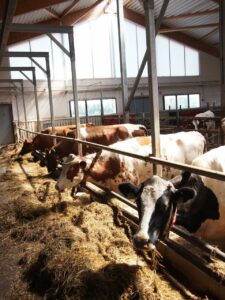 Lack of Modern Feed & Nutrition Planning
Livestock needs balanced nutrition to grow well and produce quality meat.
But in Pakistan:
Lack of Modern Feed & Nutrition Planning
Livestock needs balanced nutrition to grow well and produce quality meat.
But in Pakistan:
- Farmers rely on natural grazing
- Feed is inconsistent
- No scientific feeding system
- High feed prices lead to low-quality alternatives
- Scarcity of trained vets
- Poor vaccination coverage
- Inability to control diseases like FMD, LSD, and HS
- Lack of emergency medical support
- Meat output
- Export capability
- Farmer income
- Manual labor
- Traditional feeding
- Old breeding techniques
- No monitoring systems
- Zero use of technology
- AI breeding
- Digital tracking
- Climate-controlled sheds
- Health monitoring devices
- Price manipulation
- Low farmer income
- No transparency
- No standardized quality
- Over long distances
- Without rest
- Without proper loading
- In stressful, crowded trucks
- Weight loss
- Injury
- Death
- Quality loss
Lack of Modern Feed & Nutrition Planning
Livestock needs balanced nutrition to grow well and produce quality meat.
But in Pakistan:
- Farmers rely on natural grazing
- Feed is inconsistent
- No scientific feeding system
- High feed prices lead to low-quality alternatives
Malnourished animals = slow growth + low-quality beef/mutton.
Weak Veterinary Infrastructure
A major reason the sector stays underdeveloped is the poor animal healthcare system.
Challenges include:
- Scarcity of trained vets
- Poor vaccination coverage
- Inability to control diseases like FMD, LSD, and HS
- Lack of emergency medical support
Diseases directly reduce:
- Meat output
- Export capability
- Farmer income
Outdated Farming Methods
Livestock production in Pakistan still relies on:
- Manual labor
- Traditional feeding
- Old breeding techniques
- No monitoring systems
- Zero use of technology
Countries with modern livestock industries use:
- AI breeding
- Digital tracking
- Climate-controlled sheds
- Health monitoring devices
Pakistan lacks all of this.
Middlemen Control the Livestock Market
Much of Pakistan’s livestock moves through unregulated middlemen who take huge profit margins, leaving farmers underpaid and customers overcharged.
This leads to:
- Price manipulation
- Low farmer income
- No transparency
- No standardized quality
The market system discourages professional farming.
Poor Supply Chain & Transportation
Animals are often transported:
- Over long distances
- Without rest
- Without proper loading
- In stressful, crowded trucks
This causes:
- Weight loss
- Injury
- Death
- Quality loss
A weak supply chain = weak product.
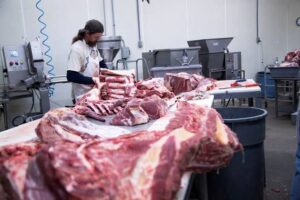 Lack of Meat Processing & Cold Chain Facilities
Pakistan loses a significant portion of meat production due to poor cold chain management.
Major gaps include:
- Few modern slaughterhouses
- No temperature-controlled logistics
- No packaging standards
- No quality certification
This not only reduces local meat quality but also limits export potential.
Zero Government Prioritization
Livestock is never treated as a national priority. Due to:
- Weak policy implementation
- Limited subsidies
- No long-term livestock planning
- Lack of research investment
Pakistan has the animals but not the ecosystem to grow the industry.
Export Potential Wasted
Pakistan could become a major meat exporter to:
- Middle East
- Central Asia
- Africa
But lack of:
- Halal-certified processing plants
- International standards
- Disease-free zones
- Quality assurance systems
Prevents Pakistan from entering high-value global markets.
The Way Forward; Modernization, Data, and Discipline
Pakistan’s livestock sector needs a complete transformation, not just small fixes.
The future depends on:
- Encouraging large-scale, modern farming
- Technology-based tracking & breeding
- Better feed management
- Strong veterinary systems
- Regulated markets
- Cold-chain infrastructure
- Brand-led transparency
This is where modern companies can make a difference.
How Mutton & Beef by BSF Can Transform the Sector
Mutton & Beef by BSF is working with a vision to modernize Pakistan’s meat ecosystem by focusing on:
- Quality-controlled sourcing
- Ethical farming
- Professional animal handling
- Hygiene-based slaughtering
- Temperature-controlled logistics
- Transparent supply chains
- Standardized meat quality
This model can:
- Reduce middlemen
- Increase farmer income
- Improve meat hygiene
- Build customer trust
- Set a new national standard
If more brands adopt this approach, Pakistan’s livestock sector can finally step into a professional, scalable, and export-ready era.
❓ FAQs 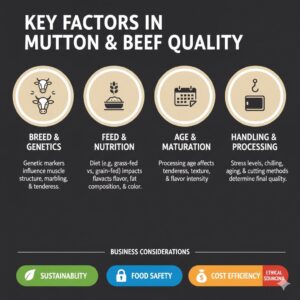
1. Why is Pakistan’s livestock sector still underdeveloped?
Because it depends heavily on small-scale farmers, outdated methods, poor healthcare, weak supply chains, and lack of government support.
2. What is the biggest challenge in livestock production?
Low productivity due to poor genetics, weak feed quality, and inadequate veterinary care.
3. Can Pakistan become a major meat exporter?
Yes, but only with modern slaughterhouses, disease-free zones, and a proper cold-chain system.
4. How can private companies improve the sector?
By introducing standards in sourcing, handling, processing, and transport exactly what Mutton & Beef by BSF aims to do.
5. How will modernizing livestock benefit Pakistan?
It will increase GDP, create rural jobs, control meat prices, and improve export revenue.