

Women’s health is a crucial component of global health initiatives, and organizations like the World Health Organization (WHO) play a pivotal role in promoting wellness and equality in healthcare. Across the world, women face unique health challenges, ranging from reproductive health and maternal care to chronic diseases and mental health concerns. In countries like Pakistan, where awareness about women’s health is still growing, the need for accessible healthcare, pharmacies, and proper medicines is more critical than ever.
 The Role of WHO in Women’s Health
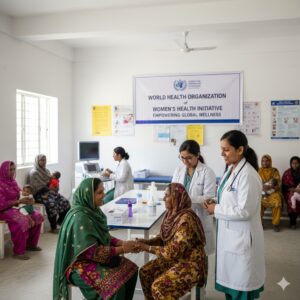
The World Health Organization (WHO) has consistently emphasized that women’s health is not just a medical concern but a societal and economic imperative. WHO programs focus on:
- Maternal Health – Ensuring safe pregnancies, deliveries, and postnatal care.
- Reproductive Health – Providing education, contraception access, and family planning support.
- Disease Prevention – Addressing heart disease, diabetes, and cancers that disproportionately affect women.
- Mental Health – Promoting awareness and treatment of depression, anxiety, and postpartum disorders.
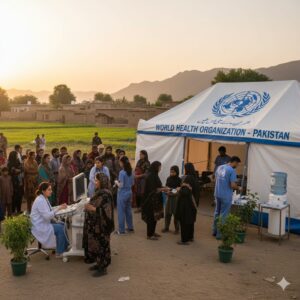
WHO also collaborates with local governments and NGOs to improve the quality and availability of healthcare services, including the supply of medicines through trusted pharmacies. In Pakistan, where rural areas often lack medical infrastructure, WHO initiatives have helped expand healthcare outreach and accessibility.
Common Health Issues Facing Women in Pakistan
Women in Pakistan face a spectrum of health challenges due to socio-economic factors, limited awareness, and insufficient healthcare infrastructure. Some of the most common health concerns include:
- Maternal Mortality: Complications during pregnancy and childbirth are a leading cause of death among women in Pakistan.
- Anemia and Nutritional Deficiencies: Poor diet and lack of iron-rich foods contribute to anemia, affecting overall health and productivity.
- Breast and Cervical Cancer: Late diagnosis due to limited screening programs increases mortality rates.
- Mental Health Issues: Depression, anxiety, and stress are often overlooked, especially in conservative communities.
Improving access to quality healthcare, medicines, and pharmacies can significantly reduce these risks and improve the quality of life for women in Pakistan.
 Women’s Health and the Pharmacy Business in Pakistan
The healthcare sector in Pakistan is rapidly evolving, and pharmacies play a vital role in supporting women’s health. From providing essential medicines to offering guidance on proper usage, pharmacies bridge the gap between healthcare providers and patients.
The pharmacy business in Pakistan has seen growth due to increasing awareness of preventive healthcare. Women are now more conscious of seeking professional advice, purchasing vitamins, supplements, and prescription medicines, which contributes to the rise of ethical and organized pharmacy chains.
Some critical contributions of pharmacies in promoting women’s health include:
- Ensuring availability of essential medicines for maternal care.
- Offering over-the-counter solutions for common conditions like anemia, vitamin deficiencies, and infections.
- Educating women about safe medication usage during pregnancy and lactation.
- Supporting chronic disease management for conditions such as diabetes, hypertension, and thyroid disorders.
By combining proper medical guidance with business strategies, pharmacies in Pakistan are creating a model where women’s health is prioritized, and healthcare becomes both accessible and sustainable.
Initiatives Supporting Women’s Health in Pakistan
Several initiatives are underway to strengthen women’s health in Pakistan, often in collaboration with WHO guidelines and support. Some notable efforts include:
- Maternal and Child Health Programs – Focused on reducing maternal mortality and improving infant care.
- Awareness Campaigns – Educating women about reproductive health, hygiene, and preventive screenings.
- Mobile Health Units – Bringing essential medicines and healthcare professionals to remote areas.
- Partnerships with Pharmacies – Ensuring that essential medicines are available at affordable rates.
These initiatives not only save lives but also empower women to take control of their health, leading to stronger families and communities.
 The Impact of WHO Guidelines on Healthcare Business
WHO guidelines do more than set medical standards they also influence the business in Pakistan, especially within the healthcare and pharmacy sectors. Businesses that adhere to WHO-recommended practices often see increased trust and customer loyalty. By maintaining strict quality control, proper storage of medicines, and ethical practices, pharmacies and healthcare providers can ensure women receive safe and effective treatments.
This alignment with international standards is vital for businesses like big success family while contributing to societal welfare. Companies that follow WHO protocols not only fulfill regulatory requirements but also become recognized as reliable partners in the health ecosystem.
FAQs: Women’s Health and WHO
Q1: What is the main role of WHO in women’s health?
A1: WHO focuses on improving maternal health, reproductive health, mental health, and preventing diseases that disproportionately affect women globally.
Q2: How can pharmacies help women in Pakistan?
A2: Pharmacies provide access to essential medicines, educate women on proper medication use, and support preventive health through supplements and screening services.
Q3: Why is maternal health a major concern in Pakistan?
A3: Limited access to skilled healthcare professionals, inadequate facilities, and low awareness contribute to high maternal mortality rates.
Q4: Are there specific medicines recommended for women’s health?
A4: Medicines depend on individual needs, but common examples include iron and folic acid supplements, hormonal treatments, and medications for chronic conditions like diabetes or thyroid disorders.
Q5: How does business in Pakistan benefit from following WHO guidelines?
A5: Businesses, especially pharmacies and healthcare providers, gain credibility, customer trust, and market growth while promoting safe and ethical healthcare practices.
 Final Thoughts
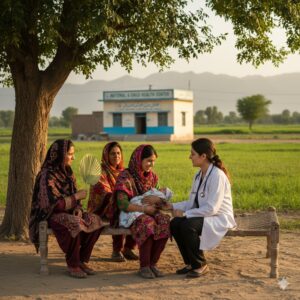
Women’s health is a cornerstone of a prosperous and equitable society. Organizations like WHO provide guidelines and support to ensure that women receive the care they need, while local pharmacies and healthcare businesses in Pakistan play a critical role in bridging accessibility gaps.
By integrating international standards, ethical practices, and community-focused initiatives, healthcare businesses can achieve big success while making a lasting positive impact. Companies like Medizin by Big success family, which prioritize organized distribution, quality medicines, and professional pharmacy services, are examples of how business growth and social responsibility can go hand in hand.
In conclusion, focusing on women’s health is not only a moral obligation but also an opportunity for sustainable growth in the healthcare business in Pakistan. By investing in awareness, quality care, and reliable pharmacies, we can ensure a healthier future for women, stronger families, and thriving communities.